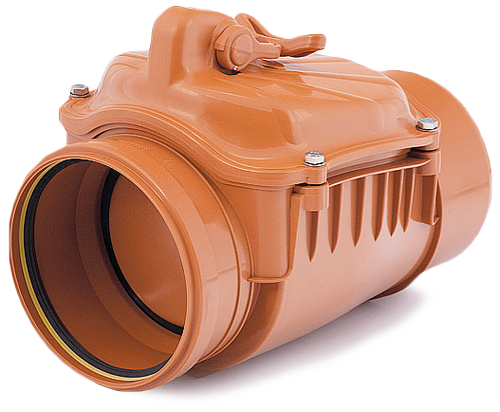
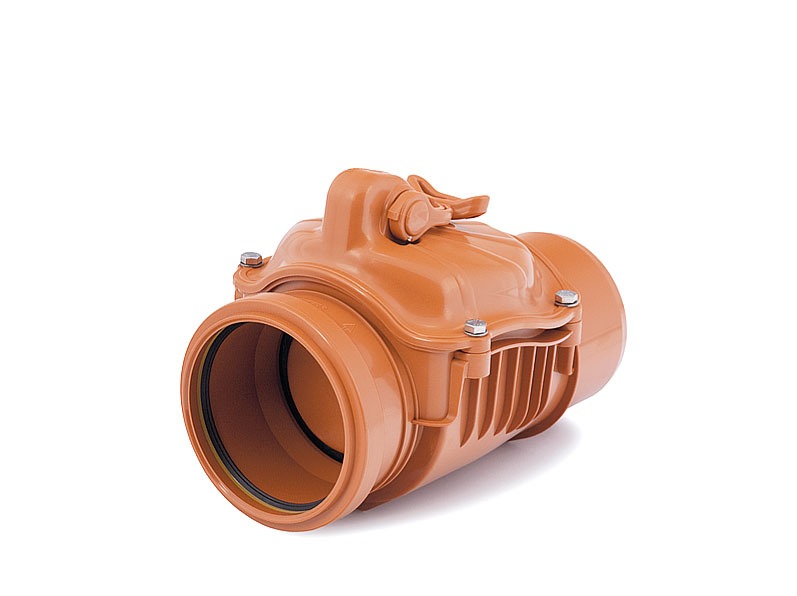
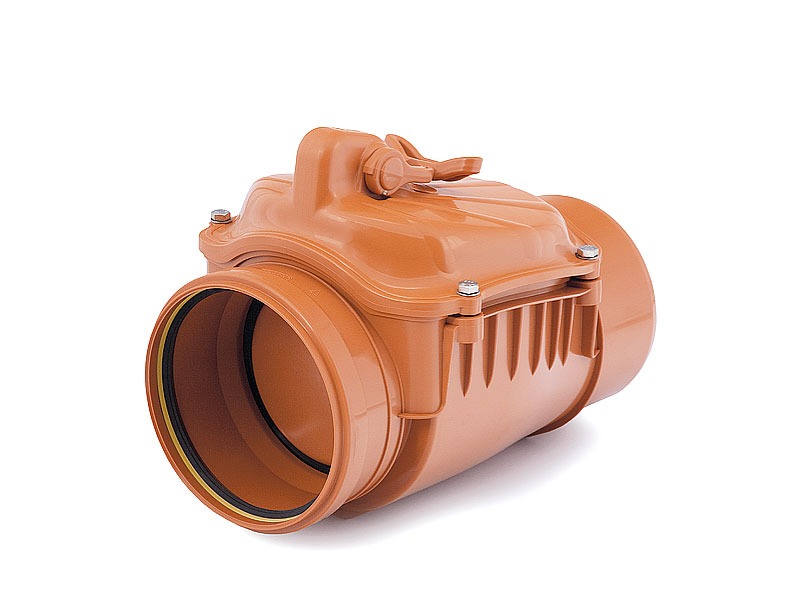
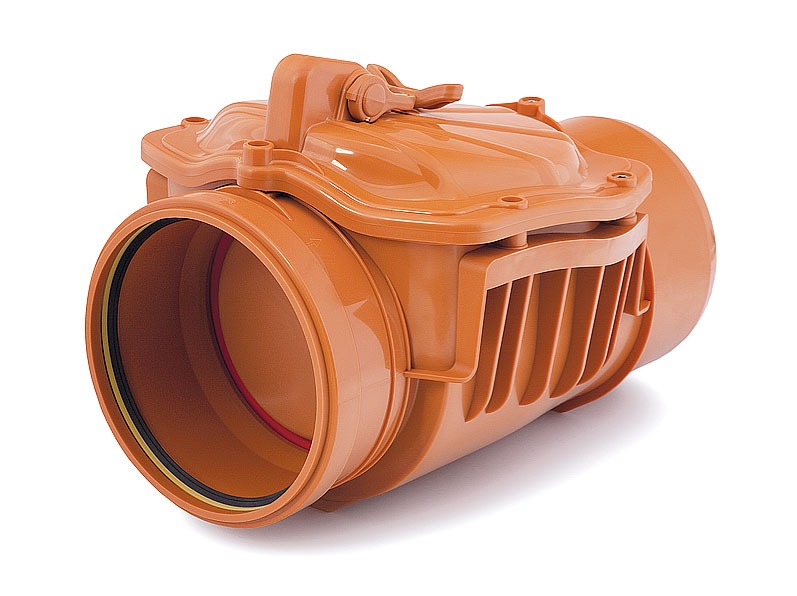
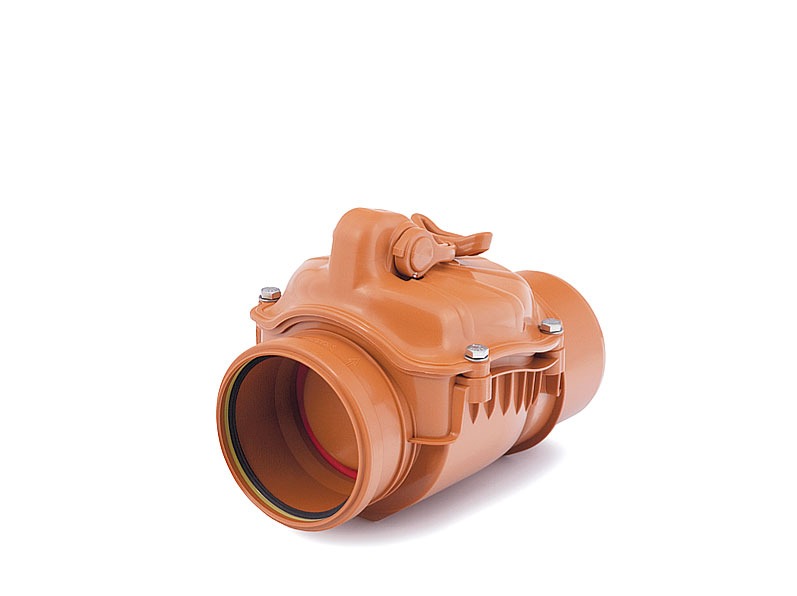
Laminar backwater valves (non-return valves) are designed to protect buildings against flooding caused by backflow of sewage and stormwater. Backflow can occur due to intense rainfall, snowmelt, or rising water levels in the drainage network.
Installing a backwater valve is a mandatory requirement for buildings with lower-level rooms under the technical building codes in many jurisdictions. Laminar offers a comprehensive range of backwater valves for both sanitary and stormwater systems, designed for reliable, automatic operation without external power.
Compliance: All Laminar backwater valves meet the requirements of EN 13564 and are suitable for use in PUB-compliant installations in Singapore.
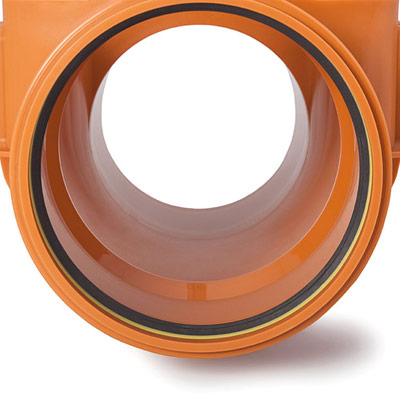
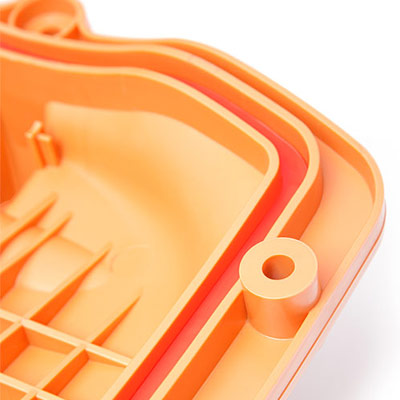
Rubber gaskets resistant to aging and atmospheric conditions
Standards
EN 13564 (Harmonized Standard)
Flow Capacity
100% flow when fully open
Applications
Residential
Protection of basements, ground-floor bathrooms, and low-lying areas
Commercial
Shopping centres, office buildings with basement levels
Industrial
Factories, warehouses with floor-level drainage
Municipal
Stormwater and sanitary sewer systems
Infrastructure
Pumping stations, drainage networks
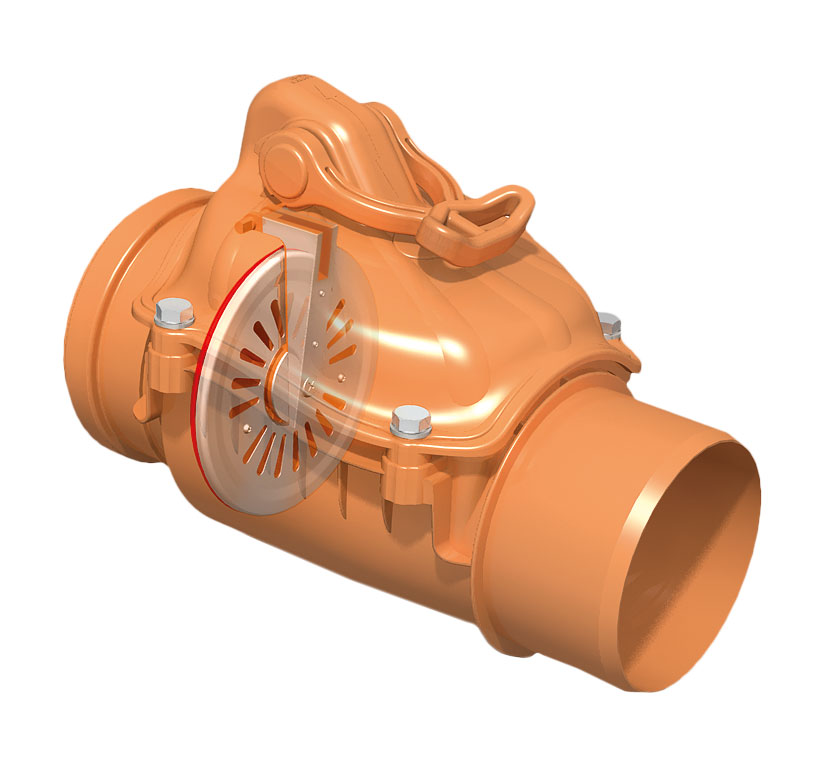
effective protection against rodents
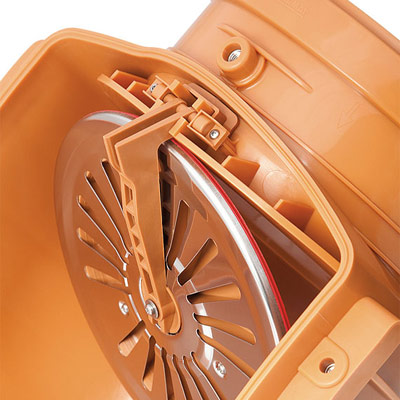
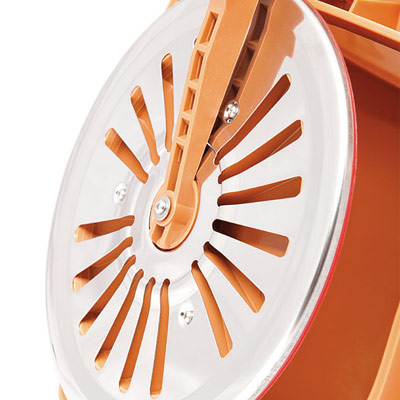
guard protecting the flap is made from chromium-nickel
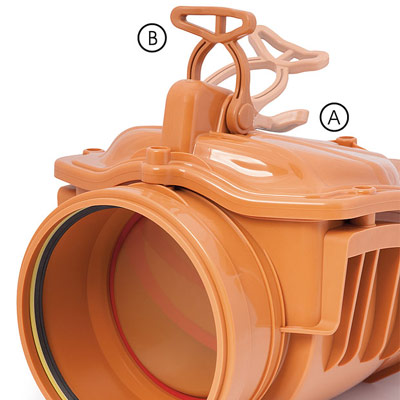
KARMAT backwater valves are equipped with a manual closure lever
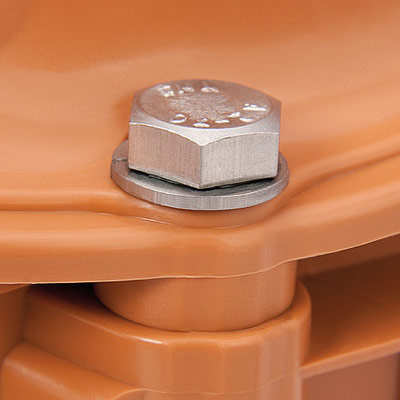
all mounting elements (screws, nuts and washers) are made from chromium-nickel
Why Laminar Backwater Valves?
EN 13564 Compliant – Meets harmonized European standard for backwater valves
PUB-Ready – Suitable for PUB requirements in Singapore
Proven Design – Based on Karmat’s decades of experience in anti-flood devices
Patented Solutions – Multiple patented designs for reliability and performance
Corrosion-Resistant – All metal components are chromium-nickel stainless steel
Full Range – Available in sizes from Ø50 to Ø315
An additional chromium-nickel cover C protecting the lever - available on individual client order
the device’s interior with its smooth surface
high quality elastic gasket material
Installation & Operation
Principle of Operation
During normal flow, the flap hangs loosely open, allowing sewage to flow freely. When backflow occurs, the flap is pushed closed by the reverse pressure, sealing securely against the valve body to prevent sewage from entering the building. This process is fully automatic.
Manual Override
A manual closure lever allows the valve to be locked in the closed position, providing protection during prolonged system inactivity or maintenance.
Maintenance
Periodic inspection is recommended (monthly or after heavy rainfall) to verify smooth operation of the flap and lever. The lever should move freely between open and closed positions.
Example of installation
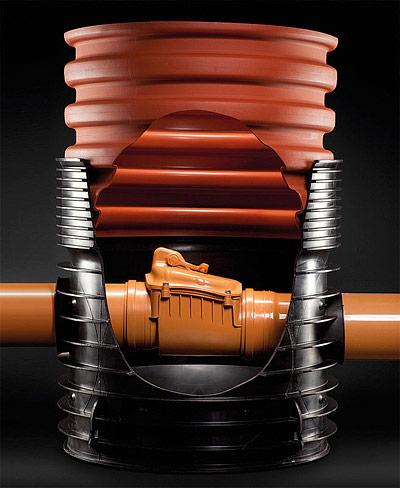
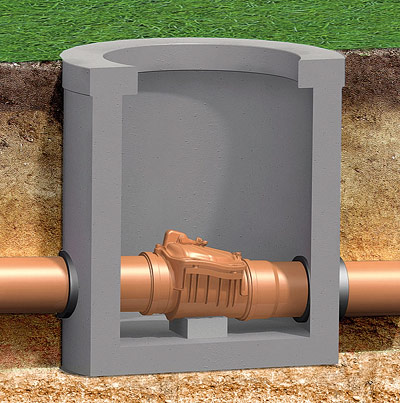
These backwater valves are designed for installation within horizontal wastewater lines. They are typically positioned before the pipe exits the building perimeter, along the external sewage line before it links to the public utility grid, or directly inside plastic and concrete inspection manholes.
Karmat backwater valve ø 160 in a ø 600 collection well
Karmat backwater valve ø 200 in a ø 1000 concrete well